
Concealer is one of the products people rely on most for workdays, yet it is also one of the fastest to show its limits. What looks smooth at 8:15 a.m. in bathroom lighting can crease, settle, or disappear by mid-afternoon under fluorescent office lights and dry air.
I decided to test five concealers the same way I actually use them: applied in the morning, worn through a normal workday, and checked at set times without constant touch-ups. The goal was not to declare a single winner. The goal was to see how different formulas behaved under the conditions most office workers face.
How I Ran the Test
I applied each concealer on separate workdays to avoid interference. I used the same thin layer each time, focused on the under-eye area and any small redness around the nose. I did not use heavy powder or setting spray unless the product instructions suggested a light dusting. I worked a normal day that included computer time, a few conversations, coffee, and the usual amount of face-touching.
I checked the wear at three points:
Around 11:30 a.m. (mid-morning)
Around 2:30 p.m. (after lunch)
Around 5:45–6:00 p.m. (end of day)
I paid attention to creasing, fading, dryness emphasis, and whether the concealer still looked like skin or had started to look patchy or ashy.
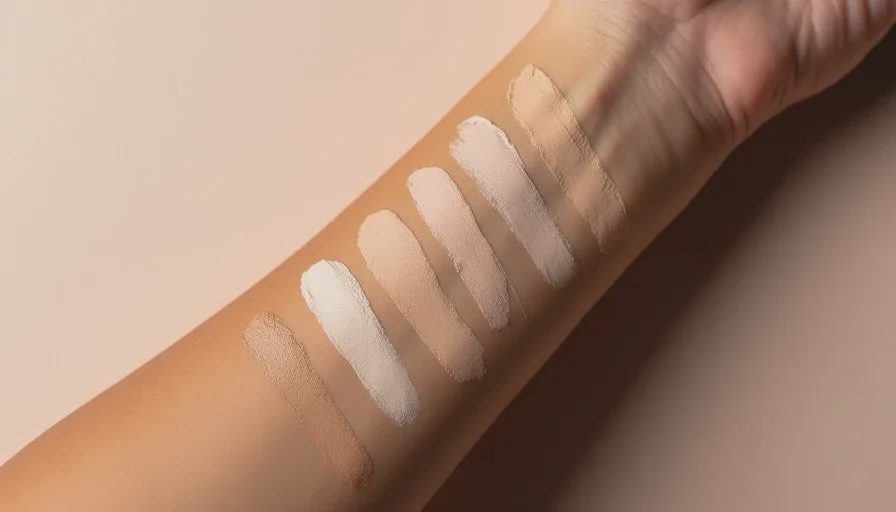
The five products represented common categories I used to sell and still see people reach for: a creamy drugstore option, a popular mid-range formula, a prestige creamy concealer, a long-wear matte-leaning formula, and a hydrating serum-style concealer.
What I Observed Across the Day
Early Morning Application
All five went on smoothly when my skin was freshly moisturized. The differences were subtle at first. Some looked more luminous. Others looked more matte. None looked problematic in the bathroom mirror.
The real test began once I stepped into office lighting and the day started moving.
Mid-Morning Check (around 11:30 a.m.)
By late morning, small differences started to appear. The more matte, long-wear formula had already begun to settle into the fine lines under my eyes. It had not creased deeply yet, but the texture looked drier than it had at application.
The creamy drugstore and mid-range options still looked relatively even. The prestige creamy concealer retained a soft finish. The serum-style concealer looked the most like bare skin but had faded slightly on the inner corner.
After-Lunch Check (around 2:30 p.m.)
This was the point where the gaps became clearer.
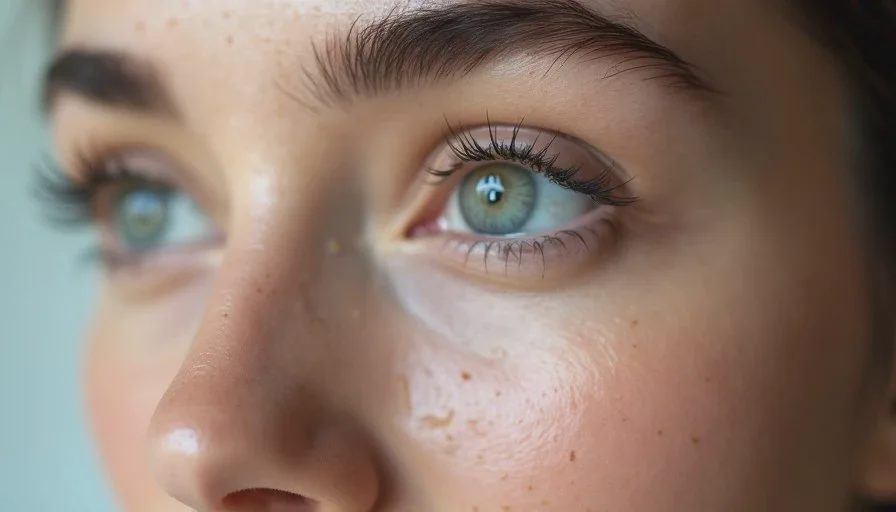
The long-wear matte formula showed visible creasing in the under-eye area and had started to look a bit ashy against my skin. It was still covering, but the finish had become less flattering under fluorescent lights.
The creamy drugstore concealer had faded moderately but had not creased much. It looked thinner, yet still natural.
The mid-range creamy option held up better than I expected. Coverage had softened, but the texture remained comfortable and even.
The prestige creamy concealer performed similarly to the mid-range one in terms of creasing, though it kept a slightly more polished finish.
The serum-style concealer had lost the most coverage by this point. It still brightened a little, but any redness or discoloration was more visible again.
End-of-Day Check (around 6 p.m.)
By the end of the workday, none of the five looked exactly as they had at 8 a.m. That is normal. The question was which ones still looked acceptable and which ones had become noticeable problems.
The long-wear matte formula was the most creased and the most drying. I would not choose it for a full office day without significant touch-ups.
The serum-style concealer had largely faded. It left the under-eye area looking more hydrated than the matte option, but it no longer provided meaningful coverage.
The creamy drugstore concealer had faded but remained even. It did not emphasize dryness and still looked like skin.
The mid-range and prestige creamy formulas finished in a similar place: softened coverage, minimal deep creasing, and a finish that still looked intentional rather than patchy.
Practical Takeaways from the Test
Coverage Versus Comfort
Higher initial coverage did not automatically mean better end-of-day results. The formulas that started with heavier coverage sometimes settled more noticeably. The ones that started lighter often faded more gracefully.
Finish Matters Under Office Lights
Matte finishes can look clean at first application and then turn dry or ashy under fluorescent lighting. A soft, skin-like finish tended to age more quietly through the day.
Thin Layers Perform Differently Than Thick Ones
I kept application light on purpose. When I have tried heavier layers of any concealer in the past, creasing appeared faster. A thin layer that still looks like skin is usually more reliable for a full workday than a thick layer that promises full coverage.
Dry Office Air Changes Everything
Every formula showed some effect from dry air by late afternoon. The more emollient, creamy textures handled it better than the drier, long-wear ones. If your office is heavily air-conditioned, this factor is worth taking seriously.
What I Would Reach for on a Regular Workday
For ordinary office days I now default to a creamy formula that balances a bit of coverage with comfortable wear. I am less interested in the product that looks most flawless at 8 a.m. and more interested in the one that still looks decent at 6 p.m. without making the under-eye area look dry or textured.
I still keep a more hydrating, lower-coverage option for days when my skin feels tight. I rarely reach for the strongly matte, long-wear style unless I know I can check and adjust it midday.
How You Can Run a Similar Test Yourself
You do not need five products to learn something useful. Pick the concealer you currently use and wear it through a normal workday without touching it up. Take a quick photo in the same office lighting at lunch and again before you leave. Look for creasing, fading, and whether the finish still looks like skin.
That single-day check often tells you more than a store mirror ever will.
Final Notes on Concealer for Workdays
Concealer is a helper, not a solution that lasts forever without any change. Every formula will shift over eight to ten hours. The better question is how it shifts.
Does it crease into fine lines and draw attention to them?
Does it fade evenly or leave patchy spots?
Does it make the under-eye area look drier by the end of the day?
The five I tested answered those questions differently. The ones that performed most quietly under real office conditions were the creamy formulas that never tried to do too much at once. They left me looking more awake at 6 p.m. without demanding a full reapplication.
That is the standard I now use when I pick a concealer for a regular workday. Not perfect. Just still presentable when the day is done.
No comments yet — be the first to share a thought.