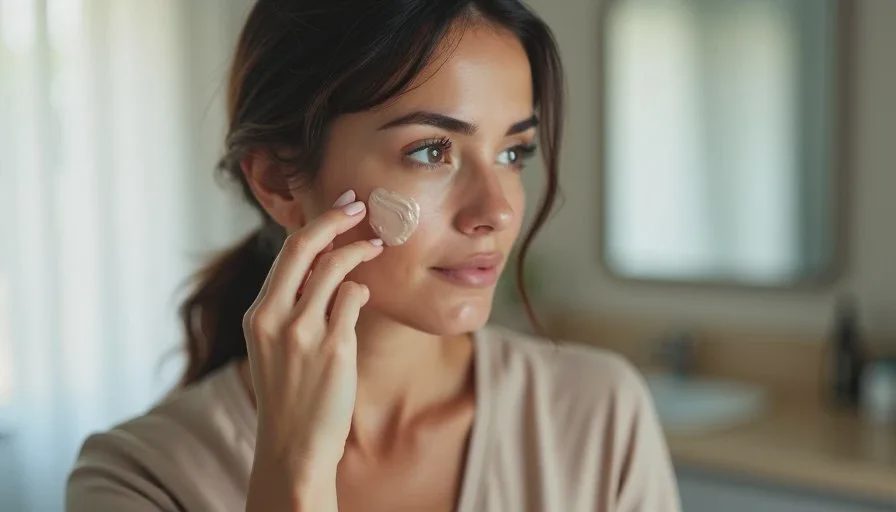
Skin tints promise a light layer of color that evens the complexion without looking like foundation. The promise is appealing for workdays: something that goes on quickly, feels comfortable, and still looks like skin hours later. The reality is more variable. Some formulas stay natural through the afternoon. Others fade unevenly, emphasize dryness, or turn slightly patchy under office conditions.
I wore several skin tints through full workdays to watch how they behaved. I was not looking for maximum coverage or all-day perfection. I wanted to know which ones still looked like skin by late afternoon and which ones lost the quality that makes a skin tint useful in the first place.
How I Tested
I applied each skin tint on separate workdays over the same simple moisturizer. I used my fingers for application and blending, the way most people do on rushed mornings. I did not add powder or setting spray unless the formula felt unusually tacky. I worked a normal day that included computer time, conversations, coffee, and typical face-touching.
I checked the wear at three points:
Mid-morning (around 11:30 a.m.)
After lunch (around 2:30 p.m.)
End of day (around 5:45–6:00 p.m.)
I paid attention to overall fade, whether the finish stayed skin-like or became patchy, how the tint interacted with dry office air, and whether any residual color still looked natural under fluorescent lights.
The formulas I tested represented common types: a very sheer watery tint, a more buildable gel-cream hybrid, a hydrating serum-style tint, and a slightly more pigmented lightweight tint.
What I Observed Through the Day
Application and Morning Appearance
All of the skin tints went on easily and looked natural in the morning. The sheerest versions gave the most transparent finish. The more pigmented ones evened tone more noticeably while still avoiding a heavy look. Under bathroom lighting every option appeared promising.
The differences emerged once the day and the office environment took over.
Mid-Morning Check
By late morning most formulas had settled into the skin. The watery sheer tint had already lost some of its initial evening effect. The gel-cream hybrid still looked even and comfortable. The serum-style tint retained a dewy quality. The more pigmented lightweight tint held the most visible correction.
None looked problematic at this stage. The sheerest option was simply the most subtle.
After-Lunch Check
This was the point where performance gaps became clearer.
The very sheer watery tint had faded significantly. On some days it left almost no visible evening effect by early afternoon. It never looked patchy; it simply disappeared, which is both a strength and a limitation depending on what you want from the product.
The serum-style tint still gave a healthy finish but had lost some of its original uniformity. Dry patches, if present, became a little more noticeable as the emollient elements wore down.
The gel-cream hybrid held up more consistently. It retained a soft evenness without looking like it had settled into texture.
The more pigmented lightweight tint continued to provide the most residual correction. It had softened but still looked intentional rather than bare.
End-of-Day Results
By 6 p.m. the question was whether anything left still resembled skin rather than leftover product.
The sheer watery tint was usually gone. The face looked like bare skin with whatever natural variation was present that day.
The serum-style tint left a slight residual glow on some days and a slightly uneven appearance on others, especially if my skin had been dry.
The gel-cream hybrid and the more pigmented lightweight tint both finished more successfully. They no longer looked freshly applied, yet they still gave the complexion a quieter, more even appearance under office lighting. Between the two, the gel-cream version more consistently retained a skin-like quality, while the pigmented tint offered a bit more lasting correction at the cost of a slightly more noticeable presence.
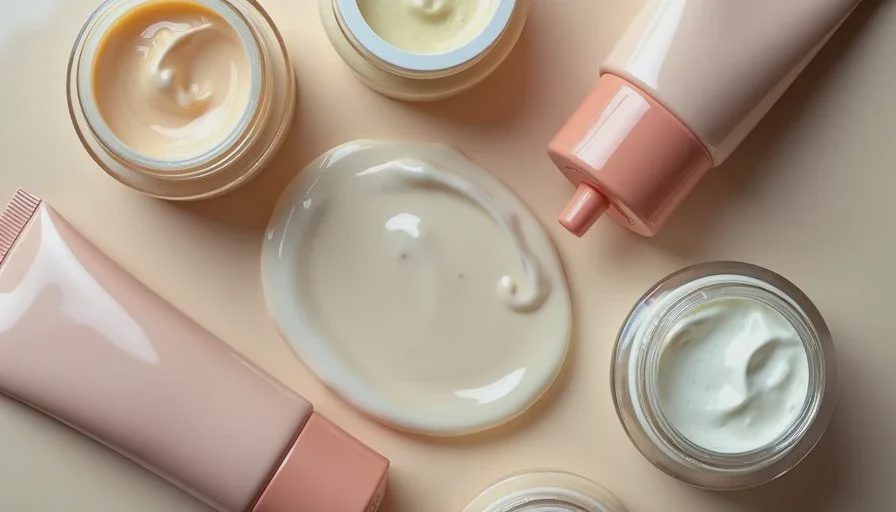
Why Some Skin Tints Lose the “Skin” Effect
Pigment Level and Longevity
Very sheer formulas have less pigment to begin with. Once oils from the skin, dry air, and normal movement take effect, there is little color left to see. More pigmented lightweight tints have more to lose and therefore remain visible longer.
How the Formula Interacts with Dry Air
Office air conditioning and heating pull moisture from the skin and from the product. Formulas that rely heavily on a dewy, serum-like texture can start to look less uniform as that moisture fades. Formulas with a slightly more balanced gel-cream texture often handle the shift better.
Application Amount and Base
A heavier application of any skin tint can look less natural by afternoon as it settles. I found that a thin layer consistently aged more gracefully. The moisturizer underneath also mattered. A simple, well-absorbed moisturizer gave better results than a rich cream that had not fully settled.
Practical Takeaways for Workdays
If You Want the Most Natural Fade
A very sheer watery tint will usually disappear by late afternoon and leave little trace. This can be ideal on days when you want almost no makeup feel and are comfortable with minimal evening effect after lunch.
If You Want Soft Correction That Lasts Longer
A gel-cream hybrid or a lightly pigmented tint is more likely to still look like skin with a bit of residual evenness by 5 or 6 p.m. These are the formulas I reach for when I want the skin-tint effect to remain present through the full workday.
Finish Matters Under Fluorescent Lights
Overly dewy finishes can sometimes emphasize texture once the day progresses and the product begins to wear. A soft, natural finish that does not rely on high shine tends to look more consistent under office lighting for longer.
How I Choose Skin Tints Now
I keep two approaches in rotation. On the lightest-makeup days I use a sheer tint and accept that it will mostly be gone by mid-afternoon. On days when I want a bit more staying power without switching to traditional foundation, I choose a gel-cream or lightly pigmented version that I already know holds a skin-like appearance longer.
I no longer expect any skin tint to look the same at 6 p.m. as it did at 8 a.m. I only ask that whatever remains still looks like skin rather than like product that has started to separate or settle unevenly.
A Simple Way to Test Your Own Skin Tint
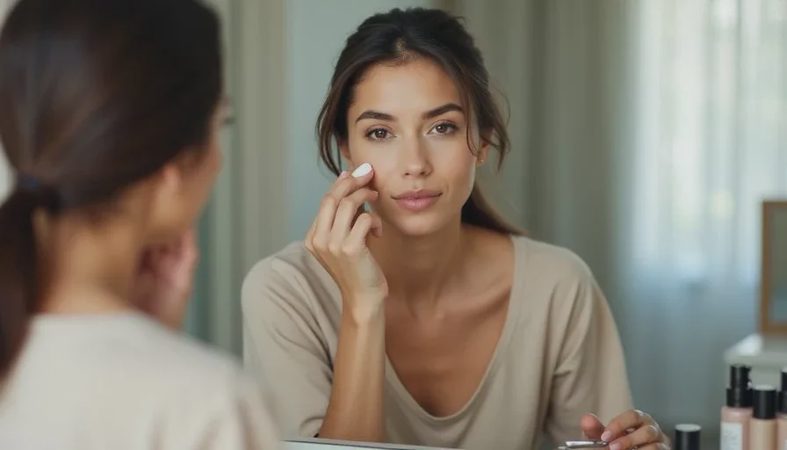
Apply your current skin tint in the morning the way you normally do. Leave it alone through the workday. At lunch and again before you leave, look at your face under the same office lighting you sit in. Ask whether what you see still resembles skin or whether it has become patchy, ashy, or simply absent.
That short check under real conditions tells you more than the way the product looks in the bathroom mirror right after application.
Final Notes
Skin tints can be an excellent workday option when they deliver on the promise of looking like skin for more than the first few hours. The sheerest formulas often fade first and most completely. Gel-cream hybrids and lightly pigmented versions tend to leave a more useful residual effect by late afternoon.
For office days the most practical question is not which skin tint looks most invisible at application. It is which one still gives your complexion a quiet, even appearance under fluorescent lights when the workday is ending. The formulas that do that without turning patchy or emphasizing dryness are the ones worth keeping in regular rotation.
Pretty is lovely. Practical is better. And for a skin tint, practical means it still looks like skin when the clock says the day is almost done.

No comments yet — be the first to share a thought.