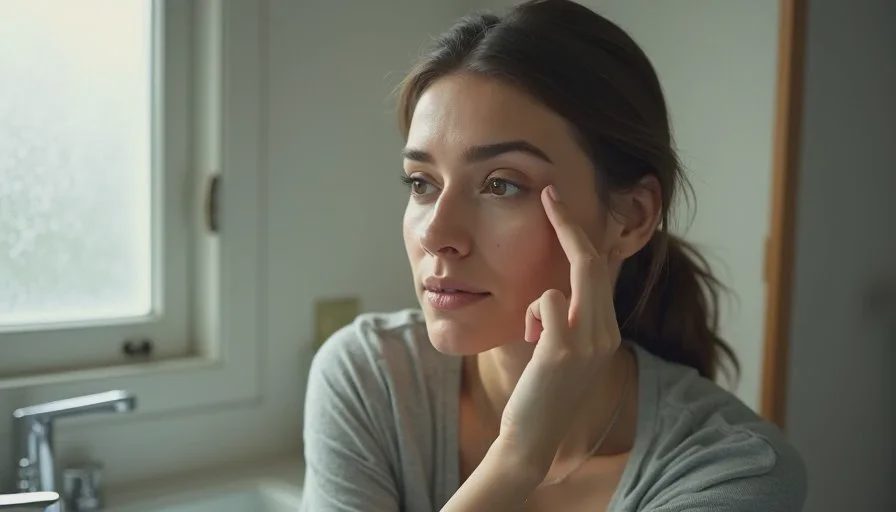
Some mornings start with too little sleep and an early meeting on the calendar. The face in the mirror looks tired. The usual routine feels like more effort than you can manage. Yet you still need to walk into a room or log onto a call looking presentable.
This is the approach I use on those days. It is not about creating a flawless face. It is about using a few targeted steps to look more awake under office lighting without adding time or product I do not have energy for.
I learned the hard way that trying to cover exhaustion with heavy makeup often backfires. Thick layers settle, emphasize texture, and can make a tired face look even more strained by mid-morning. The more useful path is lighter and more strategic.
What Actually Makes a Face Look More Awake
After years of watching women at the beauty counter and then living the same early meetings myself, I have noticed a few consistent factors.
Even skin tone matters more than full coverage.
Brightness under the eyes helps more than dramatic contour.
A touch of soft color on the cheeks and lips keeps the face from looking washed out.
Clean, defined brows and a single coat of mascara give structure without effort.
Heavy foundation, strong contour, and dark eye makeup tend to work against you when you are already short on sleep. They require more precision and more blending, and they often look harsher under fluorescent lights once the morning progresses.
The Core Principle for These Mornings
Do less, but place it where it counts.
I keep the product list shorter than my regular weekday routine. I also accept that the goal is “more awake than I feel,” not “perfectly polished.” That shift in expectation makes the process faster and the result more natural.
Step-by-Step: What I Do on Low-Sleep Mornings
1. Hydrate First, Skip Anything Heavy
I start with a moisturizer that feels comforting rather than rich enough to pill. If my skin feels tight, I give it a full minute to absorb while I do something else. Skipping this step usually shows up later as dry patches under even the lightest base.
I do not use a heavy primer on these mornings. Extra layers take time and can sit on top of tired skin in an unflattering way.
2. Sheer Base Only Where Needed
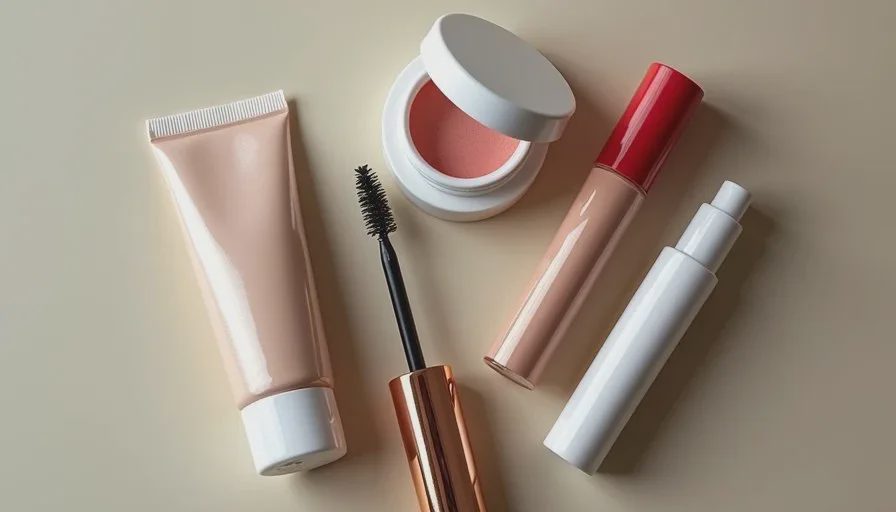
I reach for a skin tint or the lightest foundation I own. I apply it only through the center of the face—cheeks, nose, chin—and blend outward with my fingers. Fingers are faster and give a more skin-like finish when I am moving quickly.
I avoid the outer edges of the face. Leaving some natural skin visible keeps the makeup from looking like a mask, which is especially noticeable when you are tired.
3. Targeted Brightening Under the Eyes
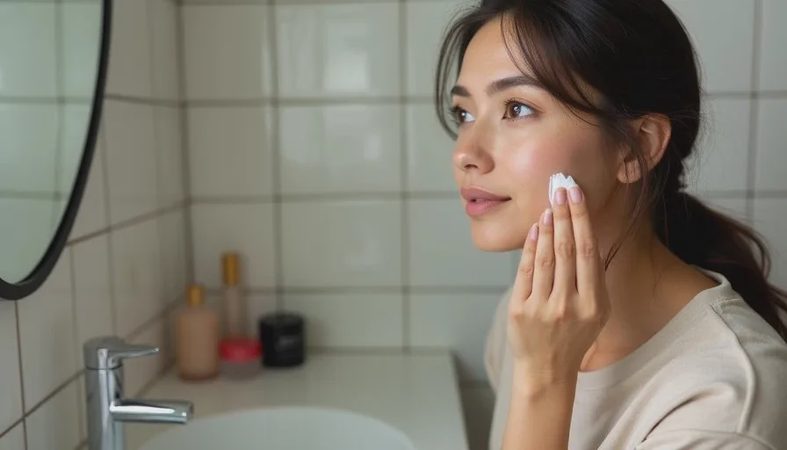
This is the step that makes the biggest visible difference. I use a small amount of concealer that is only slightly lighter than my skin. I place it in a thin layer on the inner under-eye area and any darker spots, then blend gently with my ring finger or a damp sponge.
I do not try to erase every shadow. I just reduce the contrast enough that the eyes look less heavy. Thick concealer on tired under-eyes tends to crease faster and can draw more attention to the area by mid-morning.
4. Soft Color to Restore Life
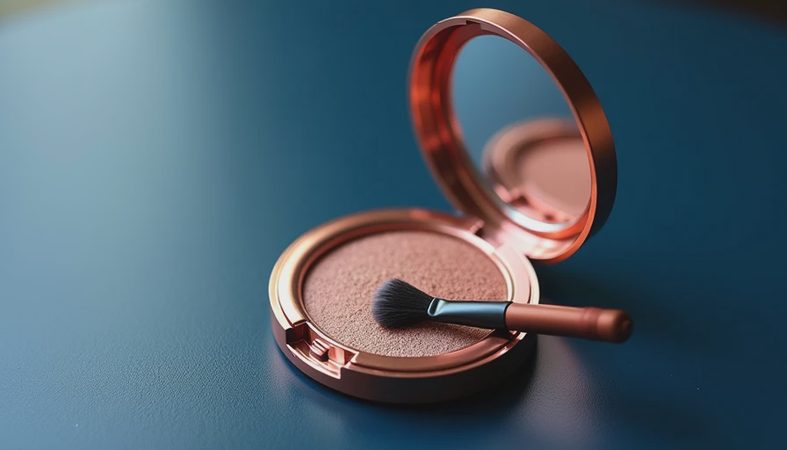
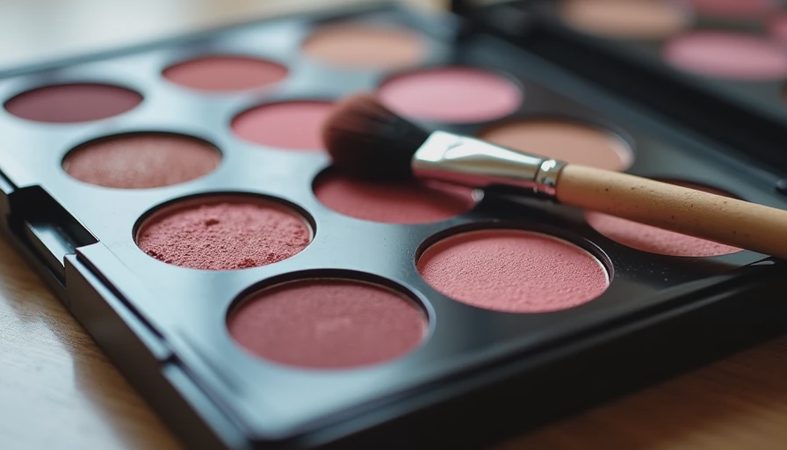
A cream blush in a muted rose or soft peach goes on the apples of the cheeks. I smile and blend upward. Cream formulas blend quickly and look less powdery under office lights when skin is not at its best.
If I have ten extra seconds, I tap a tiny bit of the same cream blush onto the bridge of the nose or the chin. This small trick can make the whole face look more cohesive and less washed out.
5. Simple Eye Definition
I skip eyeshadow on the lowest-energy mornings. Instead I use a brown pencil to create a very thin, soft line along the upper lash line and smudge it slightly with a cotton swab or my finger. Then I add one coat of mascara to the upper lashes only.
This combination opens the eyes without requiring steady hands or extra time. Dark eyeliner on the lower lash line often makes tired eyes look smaller, so I leave it off.
6. Brows for Structure
I fill in any obvious gaps with light, hair-like strokes. I do not try to create a bold shape. The goal is simply to make the brows look intentional so the upper face has some definition.
A quick brush through with a clear or tinted gel helps hold everything in place if I have the seconds to spare.
7. Lips That Do Not Need Attention
I finish with a tinted balm or a creamy lipstick in a soft rose or muted berry. Something comfortable that does not emphasize dryness. I blot once and leave it.
Strong matte lips or high-shine glosses demand more maintenance than I want to give on a morning when I am already short on sleep.
Timing and Realistic Expectations
On a reasonably focused morning this sequence takes between six and eight minutes. If I am moving slowly it can stretch to ten. I do not try to force it under five minutes because the blending suffers and the result looks less intentional.
I also accept that this makeup will not look the same at 4 p.m. as it did at 8 a.m. The point is to walk into the early meeting looking more awake than I feel. Later touch-ups, if needed, stay minimal.
What I Avoid on These Mornings
I avoid heavy powder. It can emphasize texture and dryness when skin is already fatigued.
I avoid strong contour or bronzer. The shadows can look muddy under office lights when the face is tired.
I avoid multiple coats of mascara. Clumps show up faster and can flake.
I avoid anything that requires perfect precision. My hands are less steady when I am short on sleep.
These exclusions keep the process simpler and the finish more forgiving.
Adjustments for Video Calls Versus In-Person Meetings
If the early meeting is on video, I pay a little more attention to the under-eye area and make sure the blush is visible on camera. Video lighting can wash people out, so a touch more brightness and color helps.
If the meeting is in person, I keep everything softer. Fluorescent office lighting is less forgiving of anything that looks overdone, and a lighter hand usually reads as more polished in the room.

A Note on the Days When Even This Feels Like Too Much
Some mornings the kindest option is even less. Moisturizer, a bit of concealer on the darkest spots, cream blush, mascara, and lip balm. That shortened version still makes a difference and respects the fact that energy is limited.
Makeup is a tool, not an obligation. On the days when sleep was truly insufficient, doing fewer steps well is better than forcing a full routine poorly.
Final Thoughts
Early meetings after a short night are part of working life. The makeup that serves those mornings best is the kind that prioritizes brightness, evenness, and soft color over coverage and drama.
I return to the same short list of moves because they consistently help me look more awake without asking for more time or skill than I have available. The result is not perfect. It is presentable, intentional, and realistic—which is exactly what those mornings require.
If you try this approach, notice which single step makes the biggest difference for your face. For many people it is the under-eye brightening or the cream blush. Once you know your highest-impact step, you can protect that one even on the most limited mornings.
No comments yet — be the first to share a thought.