Simple eye makeup is less about creating a dramatic transformation and more about making your morning face look rested, defined, and ready for the day. For work, I want products that can handle a rushed commute, dry office air, fluorescent lighting, and an unexpected afternoon meeting without demanding constant attention. Pretty is lovely. Practical is better.
The good news is that you do not need a ten-pan palette or professional brushes. A soft neutral shadow, a reliable mascara, and a little brow definition can make a real difference in five minutes. The goal is not to cover your face or hide a late night. It is to add gentle structure so your eyes look awake while still looking like your eyes.
Start with a comfortable base
Before applying simple eye makeup, give the eyelids a clean, comfortable surface. If your skin is dry, tap on a tiny amount of lightweight eye cream and let it settle for a minute. If your lids become oily during the day, skip extra cream and use a thin layer of concealer or an inexpensive eyeshadow primer instead. Too much product is one of the fastest ways to create creasing.
A primer does not need to be expensive. The Milani Eyeshadow Primer and e.l.f. Shadow Lock Eyelid Primer are practical options, while a small amount of NARS Smudge Proof Eyeshadow Base is useful for especially oily lids. Use only a rice-grain-sized amount on each eye, concentrating near the crease. Let it become slightly tacky before adding color.
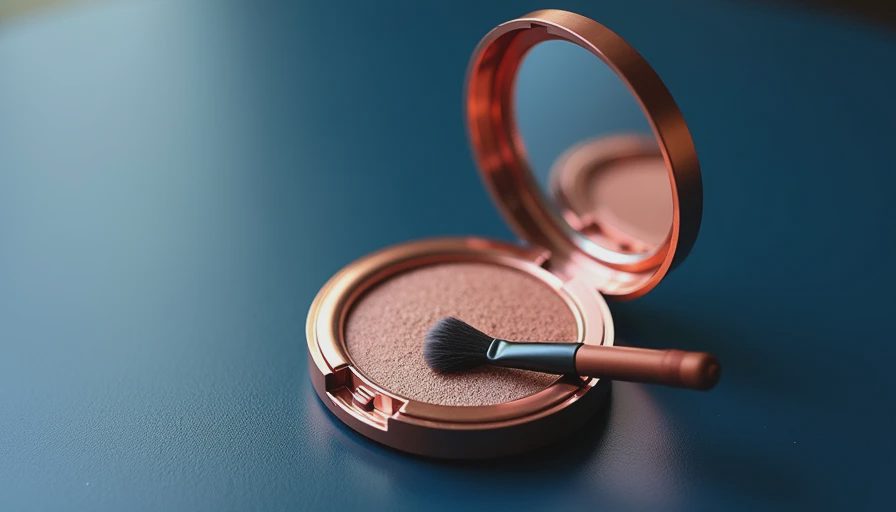
For a beginner-friendly look, choose one matte or softly satin shade close to your skin tone, plus a medium beige, taupe, or warm brown. Cream shadows can be convenient, but powder is often easier to control when you are learning. Avoid starting with glitter on a work morning; shimmer particles can migrate and look less polished by lunchtime.
Use three small steps, not ten products
The easiest simple eye makeup routine follows the natural shape of the eye. First, sweep a light matte shade across the lid with a fluffy brush or clean fingertip. This evens out discoloration and gives later color something to blend into. You do not need to take the shade all the way to the brow.
Next, use a smaller soft brush to place a medium taupe or brown shade into the crease. Look straight ahead and keep most of the color slightly above the natural fold so it remains visible when your eyes are open. Blend the edges with small windshield-wiper motions, then stop. Repeated blending can make a quiet office look muddy.
Finally, press a little of the lightest shade into the inner corner and beneath the brow’s highest point. This is not meant to be a bright white stripe. A soft cream or pale champagne shade gives dimension without announcing that you are wearing highlighter. If you prefer a one-shadow routine, use a medium neutral shade across the lid and blend the outer edge well.
Choose eyeliner that forgives a rushed morning
Eyeliner can define the eyes, but a full, sharp wing is rarely necessary for simple eye makeup. A brown pencil often looks softer than black and is easier to correct if your hand is unsteady. Drugstore choices from NYX, Maybelline, and L'Oreal can perform well for a regular workday, especially when set with a matching shadow.
Instead of drawing one long line, make short strokes along the upper lash line, staying close to the roots of the lashes. Leave the inner corner lighter if your eyes look smaller when fully lined. A short flick that follows the angle of the lower lash line is usually more wearable than a long wing.
If pencil transfers onto your upper lid, try a waterproof formula or press a little taupe shadow over the line. For sensitive eyes, avoid applying liner to the waterline every day. It can make eyes feel dry and tends to fade faster than a carefully placed upper-lash line.
Make mascara the finishing move
Mascara is often the product that makes simple eye makeup look finished. Curl lashes before mascara, never after, because curling coated lashes can cause breakage or clumping. Hold the curler at the lash base for a few seconds, then gently pulse once near the middle for a natural lift.
One coat is usually enough for work. Wiggle the wand at the roots, then pull upward through the lashes. Use the tip vertically on the outer lashes and lower lashes, where a full horizontal swipe can leave dots on the skin. If the first coat feels wet, wait briefly before adding a second coat.
Maybelline Lash Sensational, CoverGirl Lash Blast, and L'Oreal Voluminous are familiar affordable options with different brush shapes. A tubing mascara can be helpful if smudging is your biggest problem, while a waterproof formula is useful for watery eyes but can feel harder to remove. Remove mascara gently at night with micellar water or an oil-based cleanser rather than rubbing.
Make the routine work with your features and schedule
Simple eye makeup should fit your eyes, coloring, and comfort level, not force you into a trend. If your lids are hooded, place crease color slightly higher and keep liner thin. If your eyes are deep-set, use a lighter lid shade and avoid taking dark color too far inward. If you wear glasses, slightly stronger lash definition can help the eyes remain visible through the frames.
For brown eyes, taupe, bronze, plum, and soft navy can add interest without looking loud. Blue or gray eyes often pair well with warm brown, copper, and peachy neutrals. Green or hazel eyes can look lovely with mauve, bronze, and neutral brown. These are starting points, not rules. The best shade is the one you will actually wear confidently at 8:15 a.m.
Keep a cotton swab and a small concealer in your desk drawer. A dry cotton swab can lift a mascara mark after it dries, and a fingertip can soften a harsh outer corner. A quick refresh before a 3 p.m. meeting should involve cleaning up, not rebuilding the entire eye.
A five-minute office routine that holds up
When I am short on time, I apply primer or a very thin layer of concealer, sweep one neutral shadow over both lids, and add a little medium brown at the outer corners. Then I press the remaining color from the brush along the upper lashes, curl my lashes, and apply mascara. The entire process takes about five minutes when the products are stored together.
For a longer day, I keep the finish slightly less matte because very flat powder can emphasize dryness by late afternoon. A satin lid shade usually remains comfortable and catches office light gently. I also avoid stacking several long-wear products unless I know I will be outside in heat; too much staying power can become tight, flaky, or difficult to remove.
Take a look in natural light before leaving home. Bathroom lighting can make shadow appear stronger than it is, while office lighting can reveal uneven edges. If the color looks a little too obvious, blend the perimeter with a clean brush rather than adding more concealer. What this looks like by 5 p.m. matters more than what it looked like at 8:10.
Build a small, useful makeup kit
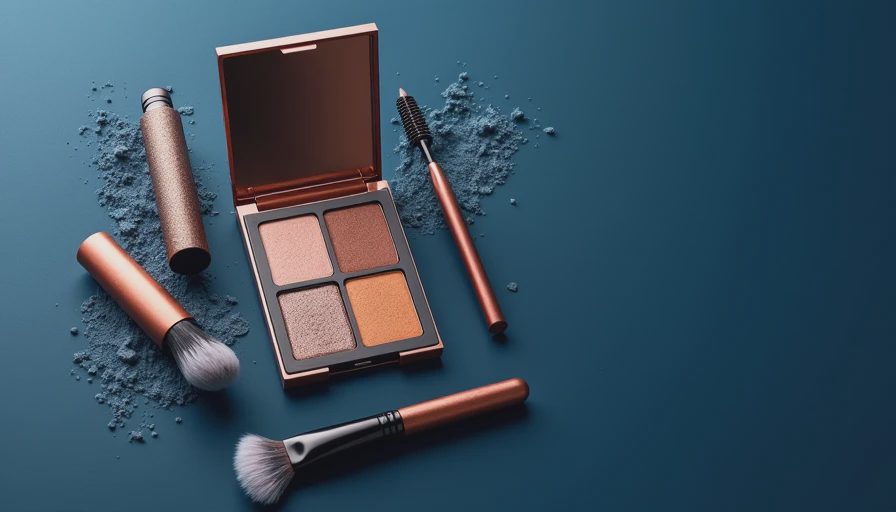
A practical simple eye makeup kit might include one primer, a four-pan neutral palette, a brown pencil, a lash curler, mascara, two brushes, and cotton swabs. You can build that collection for roughly $35 to $70 at a drugstore, depending on the palette and mascara. You do not need a separate product for every part of the eye.
Clean brushes weekly with gentle soap or brush cleanser, and replace mascara about every three months or sooner if the formula smells different or becomes dry. Do not add water to revive it. Old eye products can collect bacteria, and irritated eyes are never worth saving a few dollars.
The most successful simple eye makeup routine is the one you can repeat without stress. Start with neutral color, use a light hand, and adjust after seeing how the look wears through your actual workday. If it only works under perfect lighting, it does not really work. Keep the steps calm, the products sensible, and the finished result comfortably yours.



No comments yet — be the first to share a thought.