When you search for tutorials on eye makeup, you probably do not need a dramatic cut crease before your first meeting. You need a reliable routine that makes you look awake, polished, and still like yourself after a commute, a coffee, and several hours under office lights. The best workday eye makeup is simple enough for a rushed morning and forgiving enough for an imperfect brush stroke.
I think of an office eye look as a small structure: something to add definition, something to soften the edges, and something to keep the whole face balanced. You do not need twelve shades or expensive tools. A neutral palette, a dependable mascara, and five quiet minutes can do a great deal.
Start with a comfortable, even base
Eye makeup behaves better when the skin around your eyes is not overly wet or slippery. After moisturizer and sunscreen, let the area settle for a minute. If your eyelids are naturally oily, press a tiny amount of concealer or eye primer across them, then set it with a light sweep of matte beige or translucent powder. Too much product can make fine lines look more noticeable and can cause shadow to gather by lunchtime.
For many workdays, a single cream shadow is enough. Soft taupe, muted brown, champagne, dusty rose, and gentle bronze are easy choices that add dimension without demanding precision. Brands such as e.l.f., Milani, ColourPop, and Maybelline offer approachable options, while Bobbi Brown and Laura Mercier have classic cream and powder formulas at higher prices. The expensive version is not automatically better; the right texture is the one that blends before it dries and remains comfortable by five o’clock.
Apply color with a fingertip if you are in a hurry. Use the ring finger to tap the shade over the lid, then blur the upper edge with a clean finger or fluffy brush. This is one of the most useful tutorials on eye makeup because it removes the pressure to create a perfectly symmetrical shape.
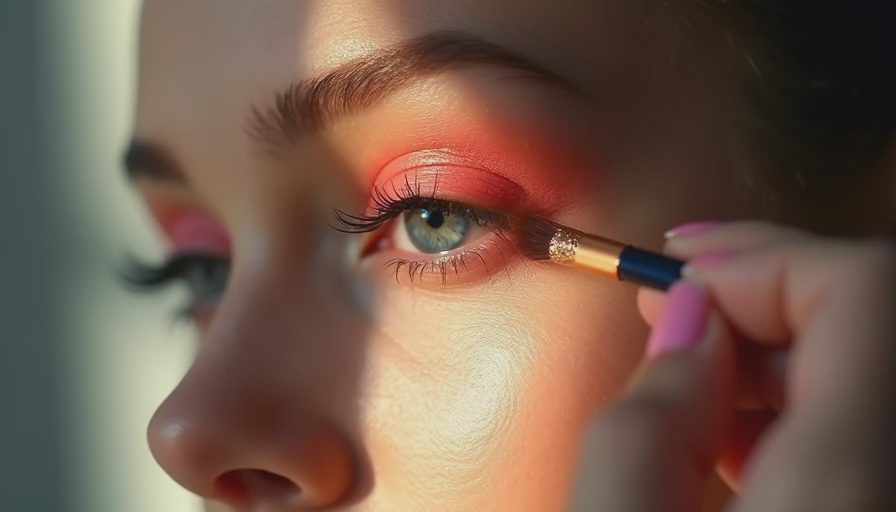
A five-minute eye routine for office mornings
Begin by brushing your brows upward and filling only the sparse areas with a pencil or tinted gel. A fully redrawn brow can look severe in bright workplace lighting, while a little structure frames the eyes naturally. Next, sweep a medium matte brown through the crease with a soft brush. Keep the color close to the natural fold rather than extending it far toward the temples.
Use a deeper brown, charcoal, or soft plum along the upper lash line. A pencil is usually easier than liquid liner when you are working quickly. Draw small strokes between the lashes instead of trying to create one flawless line. If the edge looks too strong, blur it with a small brush or cotton swab. Add a light satin shade at the inner corner only if you enjoy that effect; a very bright highlight can look stark under fluorescent bulbs.
Curl the lashes if that step works for you, then apply one coat of mascara from root to tip. A lengthening formula usually looks more office-friendly than a very dense, dramatic one. If your lashes tend to smudge, look for tubing mascara or a water-resistant formula and remove it gently at night. This routine is one of the most practical tutorials on eye makeup because it gives definition without requiring an elaborate palette.
Choosing colors that look polished, not overdone
Color selection should support your wardrobe and your comfort level. Brown liner often looks softer than black and works especially well with cream, navy, olive, gray, and burgundy clothing. Navy mascara can add quiet interest without reading as theatrical, while brown mascara is a good choice for a very soft look or lighter lashes.
For a neutral palette, choose one light shade, one medium transition color, and one deeper defining shade. That is enough for most workday combinations. A light beige can brighten the lid, taupe can shape the crease, and espresso brown can define the lash line. If you prefer color, try muted green, slate blue, mauve, or copper rather than highly saturated shades. A colored pencil along the upper lashes gives you the fun of color without turning the entire lid into a project.
When testing a new shade, check it near a window and under the lighting you actually encounter at work. A glitter shadow that looks refined in a bedroom mirror can scatter across the lid and emphasize texture by midafternoon. Satin finishes are often a better compromise than chunky shimmer. These tutorials on eye makeup should help you make choices that feel wearable, not persuade you to buy every trend.
Preventing creasing, smudging, and midday fading
Long wear begins with restraint. Heavy eye cream, several layers of concealer, and thick shadow can all migrate. Use less than you think you need, especially on the mobile lid. Press powder shadow onto the primer instead of sweeping repeatedly, which can disturb the base underneath.
If liner transfers to the upper lid, try placing it only between the lashes or setting it with a matching powder shadow. For watery eyes, avoid bringing dark pencil all the way into the inner corner. If mascara flakes, give each coat time to dry and avoid repeatedly brushing through the lashes. Keep a cotton swab and a small mirror in your desk or bag; correcting one dot of smudge is easier than removing the entire eye look.
Dry office air can make powder look less smooth by afternoon. A gentle mist of facial spray is optional, but it will not replace proper preparation. More useful is a comfortable moisturizer applied earlier in the routine and a light hand with powder. What this looks like by 5 p.m. matters more than what it looked like at 8:10.
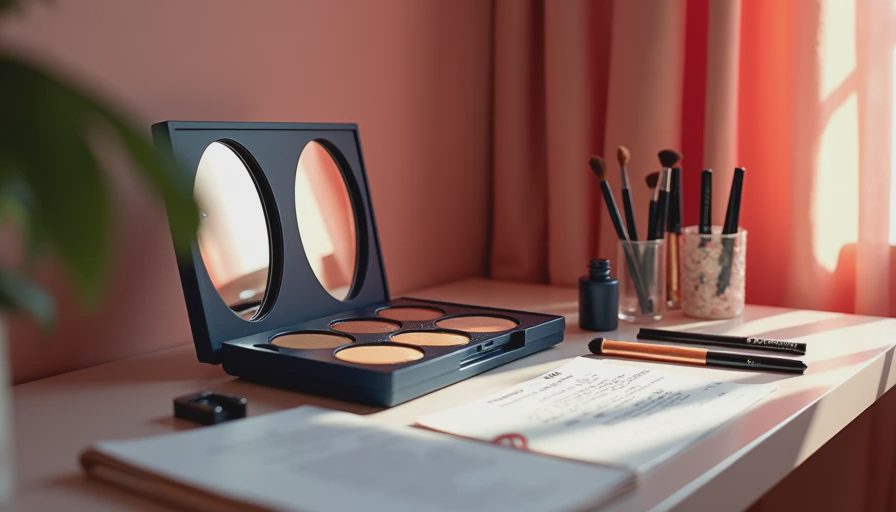
Budget products that earn a place in your bag
You can build a dependable eye kit for roughly $25 to $60, depending on what you already own. An e.l.f. Bite-Size Eyeshadow palette is compact and inexpensive, while Maybelline and L'Oreal make accessible mascaras and pencils in familiar shades. Milani is worth considering for smooth neutral shadows, and NYX has a broad selection of liners for experimenting with color without a luxury price.
Spend more only where the improvement matters to you. Some people notice that a higher-priced mascara separates lashes more cleanly; others get the same result from a drugstore tube. A useful test is whether you reach for the product on an ordinary Tuesday. If it takes special brushes, careful layering, and constant checking, it is probably not the best workday purchase.
For tutorials on eye makeup, tools matter less than shape and pressure. A basic fluffy blending brush, a small angled brush, and a lash curler can cover most needs. Wash brushes regularly, replace mascara about every three months, and do not share eye products. Those habits protect your eyes and make your routine more predictable.
Adapt the look for meetings and after-work plans
A daytime eye does not need to be completely redone for dinner. Before leaving work, press a little deeper shadow along the upper lash line, add a muted shimmer to the center of the lid, and apply a fresh coat of mascara if your lashes still look clean. Avoid piling product over oil; first blot the lid gently with tissue or a clean cotton swab.
For a video meeting, keep the definition slightly higher in the crease because the camera can flatten subtle color. Do not overcorrect with heavy liner. A softly defined upper lash line, groomed brows, and a little color on the lid usually read better than a dark smoky eye. For an in-person presentation, choose a shade combination you have already worn successfully rather than testing a new glitter or bold liner that morning.
The most useful tutorials on eye makeup are the ones you can repeat without stress. Save a few minutes by organizing your everyday products together and practicing the look on a quiet weekend. Notice where color fades, whether your mascara transfers, and how the finished face looks in daylight. Pretty is lovely. Practical is better, especially when your makeup needs to carry you from the first email to the last task.



No comments yet — be the first to share a thought.