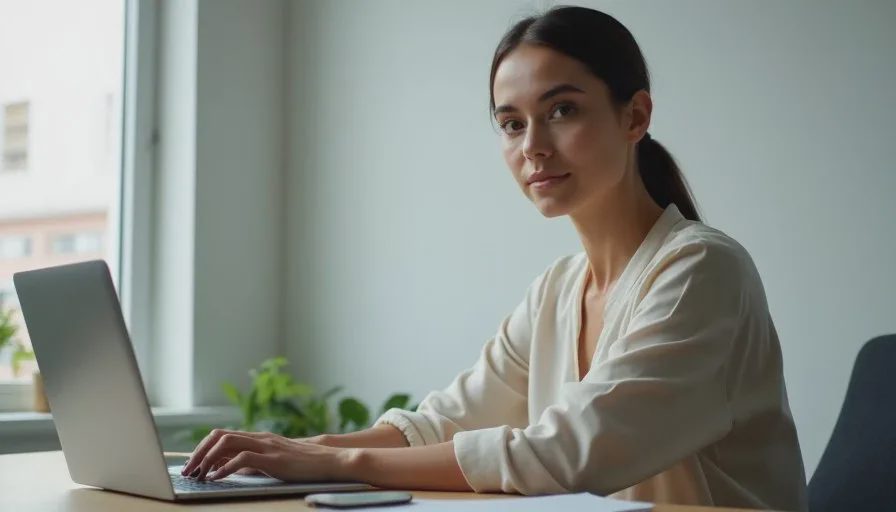
Hybrid work creates a specific makeup problem. Part of the day is spent on video calls where the camera and overhead lighting flatten features and emphasize shadows. The other part is spent in person under office lights, where heavy makeup can look overdone. The routine needs to serve both without demanding much time or energy.
This is the low-effort approach I use on hybrid days. It focuses on the few adjustments that make the biggest difference on camera while remaining appropriate and comfortable for in-person interactions. It is not a full glam routine scaled down. It is a short sequence designed for the realities of moving between screen and room.
What Video Calls Actually Emphasize
Laptop cameras and typical home or office lighting create predictable challenges. Shadows under the eyes look deeper. Skin can appear more uneven. Faces often look washed out, especially if the light source is overhead or behind the screen.
The products and steps that help most are the ones that restore a bit of brightness, evenness, and soft color. Strong contour, heavy eyeliner, and matte full-coverage bases frequently work against you on camera. They can create harsh lines or look mask-like once compressed by the lens.
I keep the focus narrow: reduce the most distracting shadows, add a touch of life to the cheeks and lips, and keep the eyes defined without drama.
The Low-Effort Sequence
1. Quick Moisture, Nothing Heavy
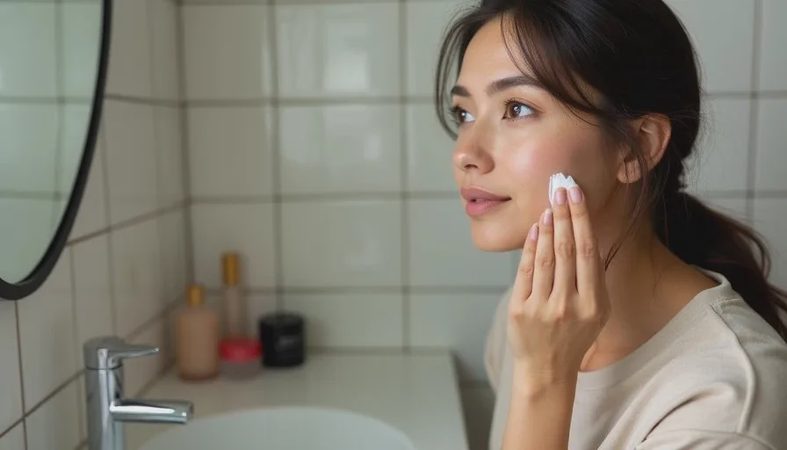
I start with the same moisturizer I use on ordinary days. A hydrated base prevents flakiness that becomes more visible on camera. I avoid heavy primers or extra layers that take time and can pill under a light base.
If my skin feels particularly dry from air conditioning or heating, I give the moisturizer a full minute to settle while I organize my desk or open the first calendar invite.
2. Sheer Base Only Where the Camera Sees It
I apply a light skin tint or the sheerest foundation I own through the center of the face. I blend with fingers for speed. The goal is evening, not coverage. On hybrid days I pay a little more attention to the forehead and chin because those areas often catch the overhead light and show unevenness more clearly on screen.
I leave the outer edges of the face lighter. A heavy perimeter can look unnatural both on camera and in person.
3. Brightening Where Shadows Collect
This is the highest-impact step for video. I use a small amount of concealer that is only slightly lighter than my skin and place it on the inner under-eye area and any deeper shadows. I blend gently so the edge disappears.
I do not try to create a perfect bright triangle. I only reduce the contrast enough that the eyes look less tired on screen. Thick concealer creases more visibly on camera once the day progresses, so I keep the layer thin.
4. Soft Color to Counter a Washed-Out Look
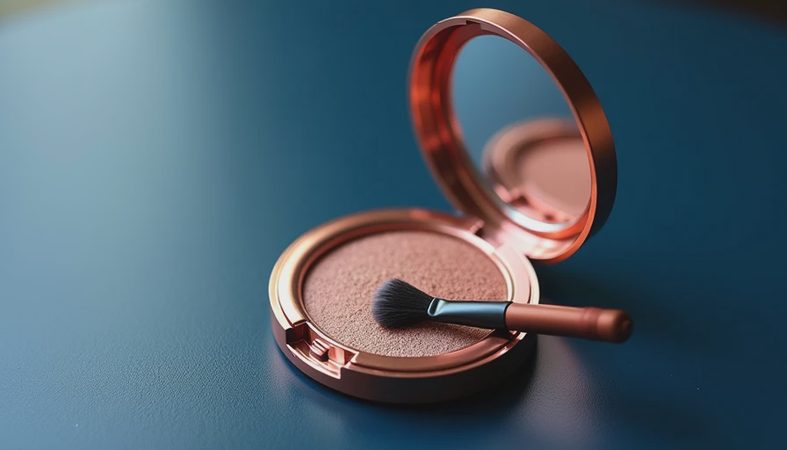
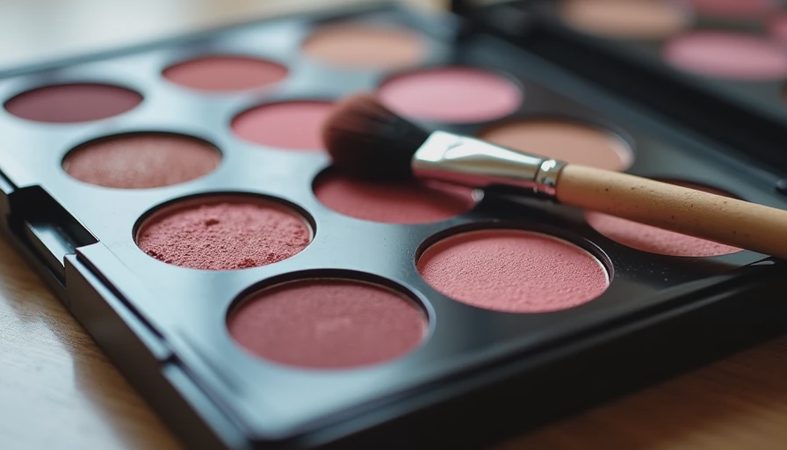
Cream blush is my preference for hybrid days. It blends quickly and gives a natural flush that reads on camera without looking theatrical in person. I smile and apply a small amount to the apples of the cheeks, then blend upward.
If the lighting in my workspace tends to wash me out, I add a touch more than I would for a fully in-person day. The camera absorbs some of the color intensity.
5. Simple Eye Definition That Holds Up
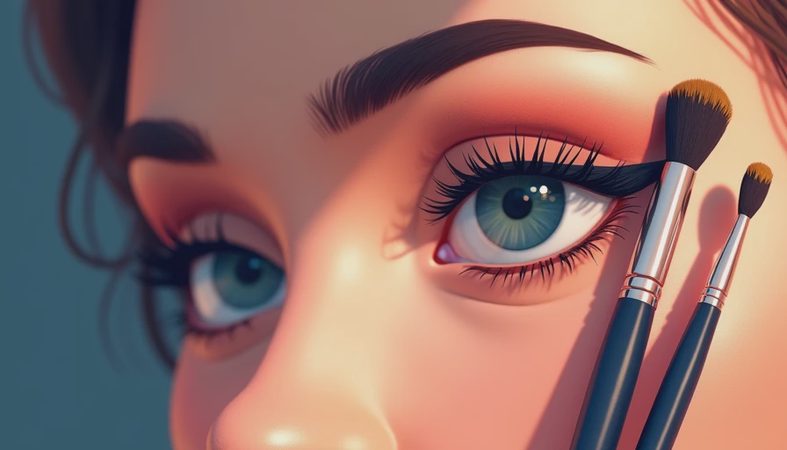
I skip elaborate eyeshadow. A soft brown pencil along the upper lash line, lightly smudged, gives definition without requiring precision. One coat of mascara on the upper lashes is enough. I avoid lower-lash mascara on days with multiple video calls because it can emphasize any under-eye texture or smudging that appears later.
Brows get a quick fill in any sparse areas. Clean brows frame the face on camera more effectively than most people expect.
6. Lips That Stay Present
I choose a tinted balm or a creamy lipstick that leaves a bit of stain. Something too glossy can create glare under certain lighting. Something too matte can look flat on screen. A soft rose, muted peach, or light berry usually works across both video and in-person settings.
I blot once and leave it. Reapplication between calls stays minimal.
Timing and Realistic Limits
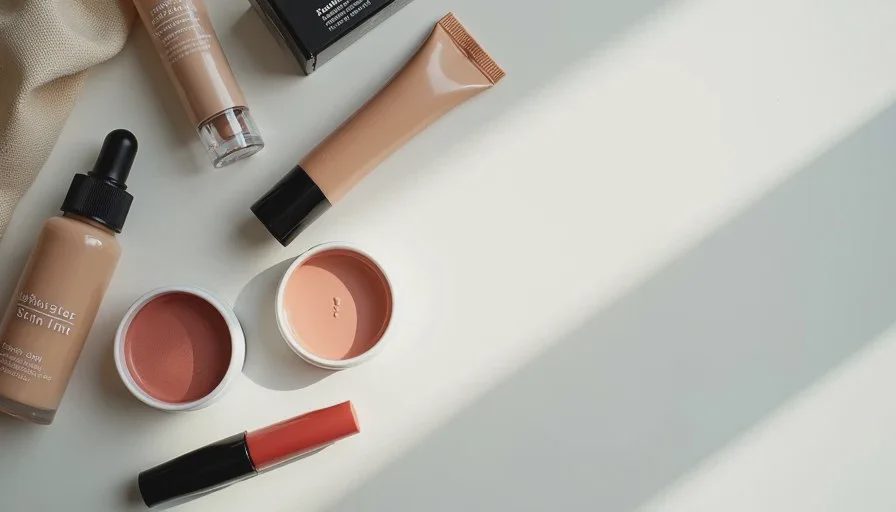
This sequence takes between six and nine minutes depending on how focused I am. On mornings when time is extremely tight I cut it further: moisturizer, under-eye brightening, cream blush, mascara, and tinted balm. Even that shortened version improves how the face reads on camera.
I do not aim for perfection. I aim for a face that looks intentional and awake when the camera turns on, and still appropriate when I walk into a conference room later.
Adjustments for Different Hybrid Setups
Home Office with Natural Light
If I sit near a window, I use slightly less brightening under the eyes and a lighter hand with blush. Natural light is more forgiving and can make extra product look heavier.
Office Desk with Overhead Fluorescents
Overhead lighting deepens shadows. I give the under-eye area a bit more attention and make sure the blush is visible enough to counter the flattening effect.
Days with Back-to-Back Calls
I keep a small tinted balm and the cream blush within reach. A ten-second refresh between calls is often enough to restore color that has faded.
Days That Mix Calls and In-Person Meetings
I stay on the softer side of the routine. Anything that looks polished on camera but overdone in person creates more problems than it solves. The low-effort version above is designed to sit in the middle.
What I Deliberately Leave Out
I leave out heavy powder. It can emphasize texture under camera compression and overhead lights.
I leave out strong contour or bronzer. The shadows often look muddy on screen and unnecessary in person.
I leave out multiple coats of mascara or dark lower-lash color. Both can draw attention to tiredness rather than reduce it.
I leave out precise liner that requires a steady hand and extra time. Soft definition is enough.
These exclusions keep the process short and the result flexible.
Why Low-Effort Serves Hybrid Work Better
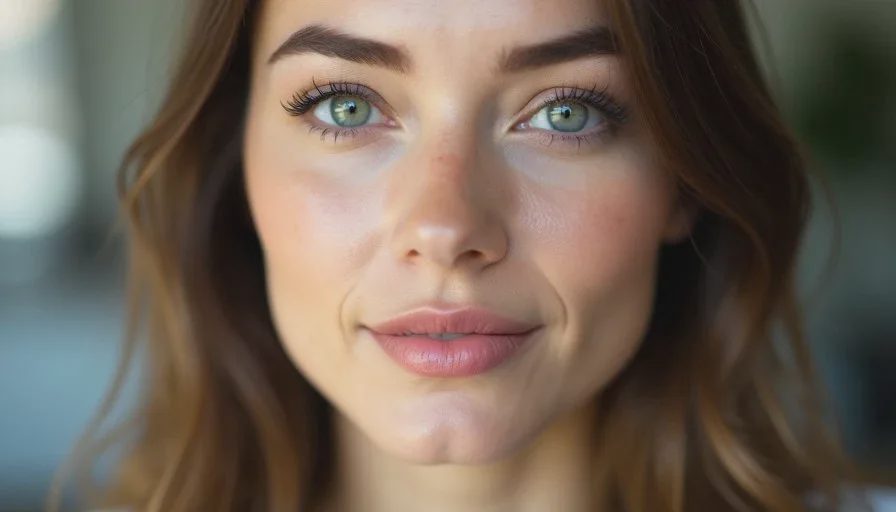
Hybrid schedules already ask people to switch contexts repeatedly. Adding a high-maintenance makeup routine on top of that creates friction. A short sequence that addresses the specific demands of video while remaining wearable in person removes one layer of decision-making.
I also find that low-effort makeup is easier to maintain across the day. When the product load is light, fading looks more natural and touch-ups stay simple. Heavy routines tend to break down more visibly and require more correction.
Final Thoughts
The best makeup for hybrid workers on video calls is the version that respects both the camera and the room. It brightens the areas the lens exaggerates, adds soft color so the face does not disappear, and stays light enough that it still looks appropriate when the camera is off.
Pretty is lovely. Practical is better. On hybrid days, practical means a routine you can finish before the first call starts and still feel comfortable wearing when you stand up and walk into the next meeting.
If you experiment with this approach, notice which single step makes the largest difference on your own camera. For many people it is the under-eye brightening or the cream blush. Once you know your highest-impact adjustment, you can protect that step even on the most compressed mornings.
No comments yet — be the first to share a thought.