A good make up routine should help you feel awake and pulled together, not make you late or turn your bathroom into a cosmetics counter. For a normal office morning, I want products that blend quickly, look natural in fluorescent lighting, and still resemble skin after a commute, coffee, and several hours of dry air. This make up routine takes about five to eight minutes once you know the order, and every step can be adjusted for your comfort level.
The goal is not a flawless face. It is a little more evenness, definition around the eyes, and enough color to keep your face from looking washed out. Pretty is lovely. Practical is better.
Start with skin that is ready for makeup
The fastest makeup mornings usually begin the night before. A gentle cleanser, a simple moisturizer, and enough sleep will do more for how foundation sits than adding three extra primers. In the morning, rinse or cleanse according to your skin type, apply moisturizer, and give it a minute to settle. If you are heading outside, use a broad-spectrum sunscreen with SPF 30 or higher before makeup.
For dry or tight skin, a lightweight cream can prevent concealer from catching on flaky areas. For combination or oily skin, apply moisturizer mainly where you need it and let the T-zone remain comfortable rather than heavily layered. A silicone primer is optional, not a requirement. The e.l.f. Power Grip Primer and NYX Plump Right Back Primer are popular affordable options, but a well-chosen moisturizer can work just as well for a short workday.
Apply complexion products only where you want coverage. A tinted moisturizer, skin tint, or light foundation often looks more believable than a full layer. Brands such as Maybelline, L'Oréal Paris, ColourPop, and Wet n Wild offer budget-friendly formulas, while NARS and Estée Lauder have more coverage-focused choices. The best product is the one you can spread quickly without needing perfect technique.
The five-minute make up routine order
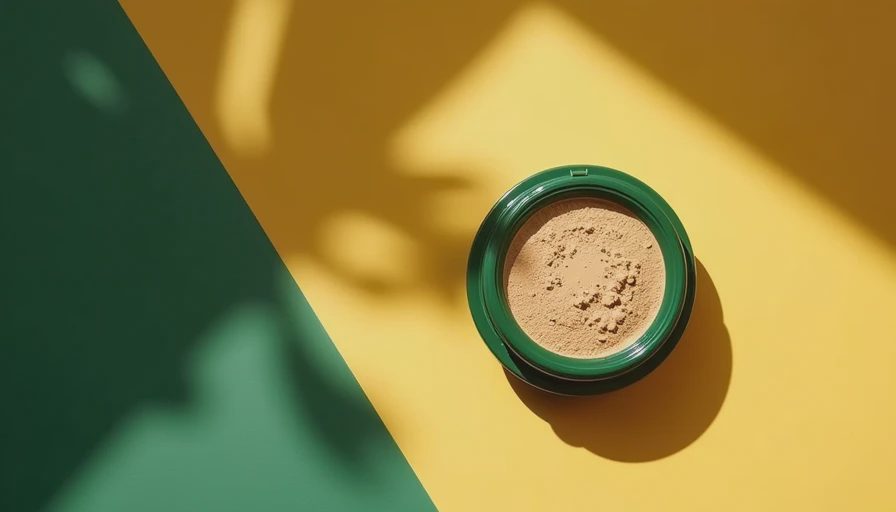
A reliable order removes decision fatigue. Begin with a thin layer of skin tint or foundation, using fingers, a damp sponge, or a small brush. Focus on the center of the face and blend outward. Add concealer beneath the inner corners of the eyes, around the nose, or over a spot instead of covering every inch of skin.
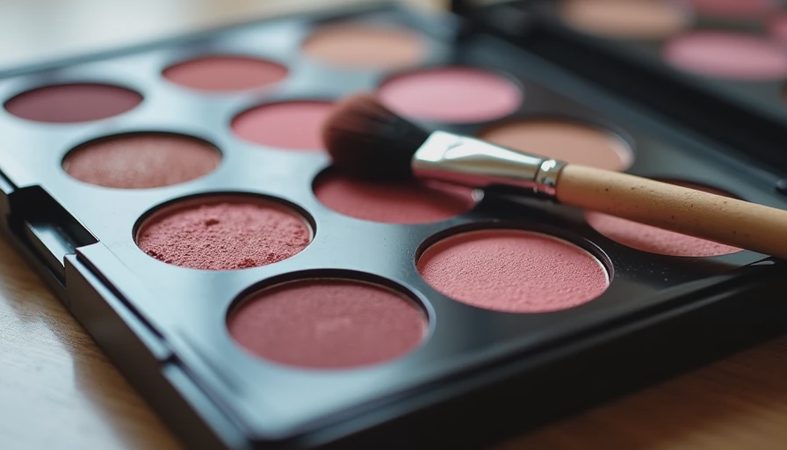
Next, use cream blush on the cheeks. Peach, rose, and muted berry shades tend to look lively without becoming dramatic. Tap a small amount high on the cheeks and blend with clean fingers. If your complexion gets shiny during the day, press translucent powder over the forehead, nose, and chin, but leave the cheeks more natural. Too much powder can make an otherwise fresh face look flat by lunchtime.
For eyes, sweep a neutral shadow across the lid or use a soft brown pencil close to the upper lash line. A single taupe, beige, bronze, or soft rose shade is enough. Curling the lashes and applying one coat of mascara often creates more impact than a complicated shadow look. CoverGirl Lash Blast, Maybelline Lash Sensational, and L'Oréal Telescopic are practical drugstore choices, though mascara comfort and removal matter more than the name on the tube.
Finish with a tinted balm, rose lipstick, or neutral liner topped with balm. A comfortable lip is more useful at work than a color you have to inspect after every sip of coffee. If you want more definition, use a creamy lipstick and blot once with a tissue.
Make the routine last through a real workday
Longevity comes from thin layers, not from making every product heavy-duty. Let each cream product settle briefly before adding powder. Press rather than rub when blending, especially around the nose and under the eyes. A setting spray can help powders meld with the skin, but it will not replace good preparation. Milani Make It Last and the affordable e.l.f. Stay All Night Micro-Fine Setting Mist are reasonable places to start if you enjoy that final step.
Your make up routine should also account for your commute. If you walk, bike, or spend time in humid weather, keep the base light and powder only the areas that become oily. If your office is cold and dry, carry a small facial mist or use a richer moisturizer beneath makeup. Neither approach requires a waterproof layer of foundation.
At your desk, a five-minute touch-up is usually enough. Blot oil with tissue or blotting papers, tap a little concealer only where coverage has faded, and refresh blush or lip color. Avoid adding powder repeatedly over shine; it can create texture. What this looks like by 5 p.m. matters more than what it looked like at 8:10.
Affordable product swaps that make sense
You do not need a matching luxury collection to build a complete make up routine. Spend more only where a product solves a specific problem for you. If foundation shade matching is difficult, a store with testers or a flexible return policy may be worth the extra cost. If you need a basic brow pencil, mascara, or tinted balm, drugstore options are often perfectly serviceable.
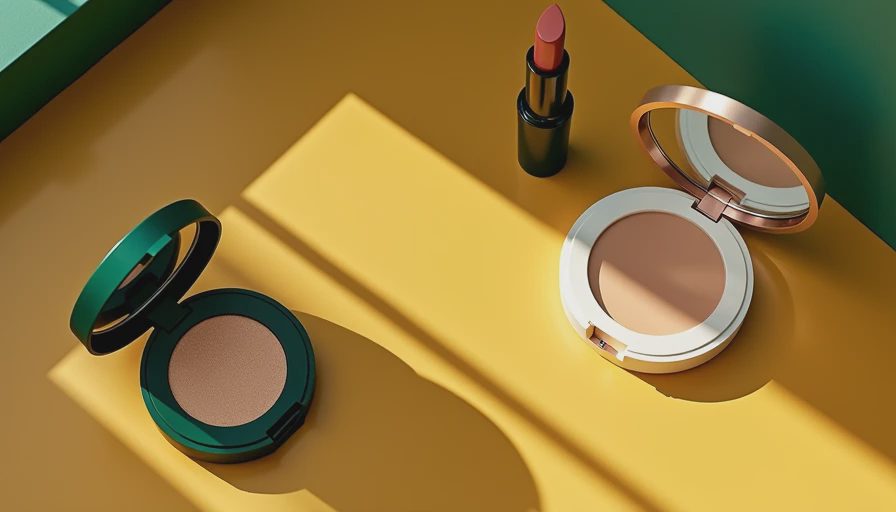
A simple combination could include a Maybelline skin tint, e.l.f. Hydrating Camo Concealer, Milani Baked Blush, NYX Micro Brow Pencil, and a CoverGirl mascara. That type of collection can stay around a modest total compared with a prestige-only basket, while still covering the practical needs of an office face. On the prestige side, a Laura Mercier powder, Clinique lipstick, or Bobbi Brown cream shadow may be worthwhile when you value texture, shade range, or a particular finish.
Before buying, ask whether the product is solving a problem you actually have. A primer is not useful if your moisturizer already performs well. A highlighter is unnecessary if you prefer a soft matte finish. A fifth neutral palette will not make rushed mornings easier.
Adjust your make up routine for different office days
For a video-call day, concentrate on brows, lashes, blush, and lip color because those features remain visible at a small size on screen. Keep the base thin; camera exposure can make heavy coverage look more obvious. For an in-person presentation, add a little extra brow definition and choose a lip shade that does not disappear under bright office lights.
For a casual Friday, you might skip foundation and use concealer only around the nose and eyes. For a client-facing day, cream blush, brushed brows, and a softly defined lash line can look polished without feeling formal. If you have an after-work dinner, bring lipstick and a small concealer rather than your entire makeup bag. A quick lip change and a little blush can shift the face more effectively than rebuilding the base.
Skin changes with seasons, stress, hormones, and weather, so the same make up routine will not need to look identical every day. The point is to have a dependable starting place, not a strict rulebook.
A realistic morning checklist
Set out the products you use most often so you are not searching through drawers at 7:40 a.m. Keep complexion, blush, brow product, mascara, and lip color together in a small pouch. Check your face once in natural light if possible, then stop. Most small differences disappear once you are dressed and moving through the day.
If you only have two minutes, use concealer, blush, mascara, and lip balm. If you have ten minutes, add skin tint, brows, and a soft shadow. If your skin is irritated, skip makeup on the affected area rather than trying to conceal discomfort. A make up routine is successful when it supports your morning instead of demanding attention from it.
Try the order for a week and note what still looks comfortable at lunch and at the end of your shift. Keep the products that earn their space, replace the ones that crease or fade immediately, and ignore anything that works only under perfect lighting. The best office face is the one you can repeat on a Tuesday without thinking too hard.


No comments yet — be the first to share a thought.