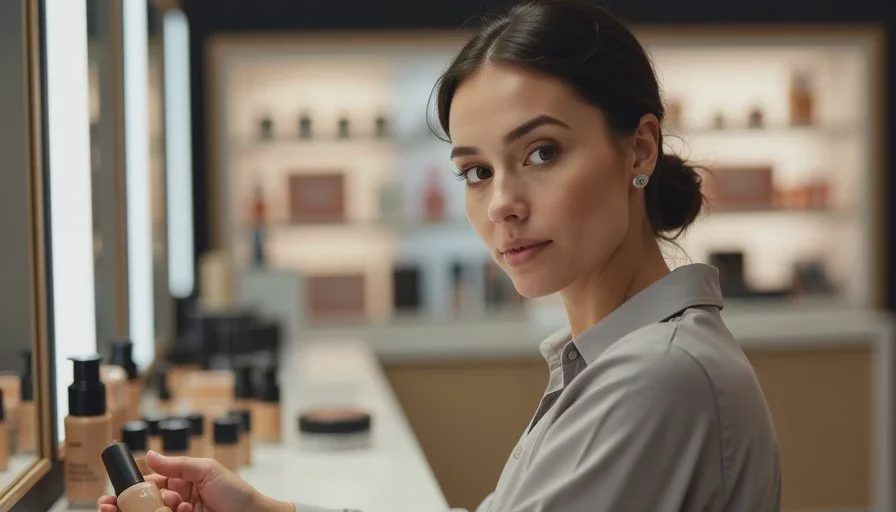
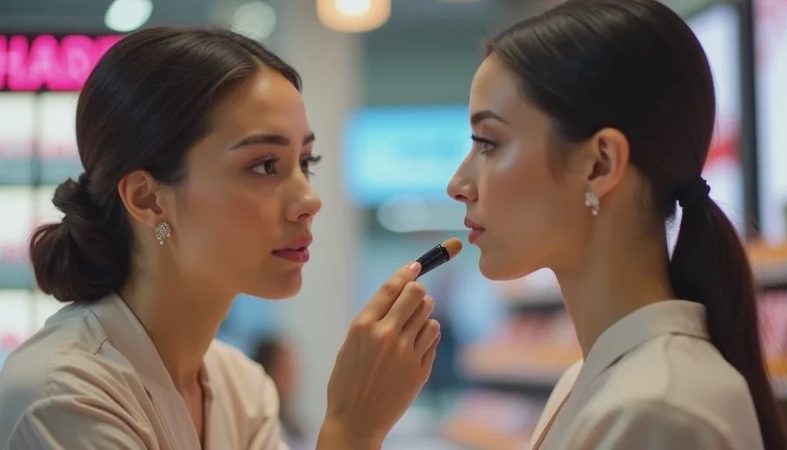
I spent six years behind a department-store beauty counter. I sold the same products day after day, matched shades under store lighting, and listened to women come back weeks later to tell me what actually worked once they got to the office. That experience still shapes how I judge makeup.
Some products earned their reputation. Others looked impressive in the store and disappointed under fluorescent lights or dry office air. This post is a straightforward look at ten products or product types I sold regularly, and which ones I would still point someone toward today for real workdays.
I am not ranking them from best to worst. I am simply sharing what held up in daily use and what I would approach with more caution now.
How I Am Judging These Products
I evaluate with the same questions I used to ask customers:
Does it still look decent by mid-afternoon under ordinary office lighting?
Is the price difference justified by performance?
Does it require perfect technique or constant touch-ups?
Would I recommend it to someone who needs something reliable on a Tuesday morning?
These are practical filters. They are not the same as asking whether something photographs well.
The Ten Products and My Current Take
1. Prestige Full-Coverage Foundation
I sold a lot of full-coverage foundations. They photographed beautifully and corrected almost everything under store lights. For everyday office wear, I am more cautious now.
Heavy coverage often settles into dry patches by afternoon, especially in air-conditioned spaces. It also requires more precise application and blending than most people have time for on a weekday morning. I still think these formulas have a place for special days or for people who genuinely prefer more coverage. For regular desk days, I usually suggest something lighter.
2. Drugstore Skin Tints and Light Foundations
These were harder to sell at the counter because they did not create a dramatic “before and after.” In real life they often performed better. A good skin tint evens tone without looking like a mask and tends to wear more naturally through a workday. I would still recommend starting here for most office routines, especially if someone is new to base makeup or prefers a faster application.
3. High-End Under-Eye Concealer
I sold many expensive concealers. Some were excellent. Others were mostly paying for the packaging and the brand name. The ones I would still recommend share a few traits: they are creamy enough not to emphasize dryness, they do not crease within a couple of hours, and they do not oxidize to a noticeably different shade. Price alone was never a reliable indicator. I still advise testing a small amount on the under-eye area and wearing it for a few hours before committing.
4. Cream Blush Versus Powder Blush
Cream blushes were less popular when I first started on the counter. Powder was the default. Over time I noticed cream formulas often looked more natural under office lighting and blended faster, which matters on rushed mornings. Powder blush can look pretty at first application but sometimes sits on top of the skin and fades unevenly. I reach for cream more often now for weekday wear, though a good powder still works if someone prefers that texture.
5. Prestige Mascara
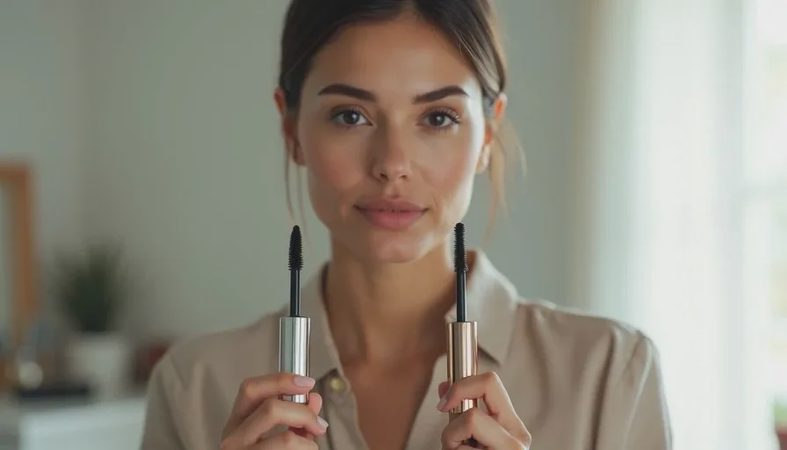
Mascara was one of the easiest products to sell because the difference was immediate in the mirror. Some prestige mascaras delivered longer wear and less flaking. Others were mostly marketing. The ones I still respect are those that hold a curl without becoming brittle and that do not leave smudges under the eye by mid-afternoon. I always tell people to check how it looks after four or five hours, not just right after application.
6. Drugstore Mascara
I sold far fewer drugstore mascaras at the prestige counter, but I watched customers bring them in and compare. Some inexpensive formulas performed surprisingly well for everyday wear. They may not give the same dramatic lift as certain prestige options, but for office days that do not require a bold lash look, they are often the more practical choice. I still keep a reliable drugstore mascara in my own rotation for that reason.
7. Setting Spray
Setting sprays were an easy add-on sale. Some made a noticeable difference in how long base makeup lasted. Others mainly left a damp feeling and did little else. The ones I would still recommend are those that actually improve wear without making the face feel sticky or look shiny under office lights. I suggest spraying lightly and from a distance. Heavy application rarely helps.
8. Brow Products
Brow pencils, powders, and gels were steady sellers. The biggest issue I saw was over-application. A heavy hand can make brows look drawn-on under fluorescent lighting. I still prefer a fine pencil or a light powder for most people because it is easier to build gradually. Clear or tinted gel is useful for holding hairs in place without adding too much color. Technique matters more here than the price of the product.
9. Lip Color That Survives Coffee
I sold countless lipsticks and glosses. The ones that performed best for office wear were rarely the most pigmented or the most matte. A creamy lipstick or a good tinted balm that could handle coffee and light meals without disappearing completely was more useful day to day. Very matte formulas sometimes emphasized dryness. Heavy glosses needed constant checking. I still look for comfortable wear and reasonable staying power rather than intensity alone.
10. Face Primer
Primer was another frequent recommendation at the counter. Some primers helped makeup last longer or smoothed texture in a visible way. Others felt like an extra step with little payoff. I am more selective now. If someone’s skin is very dry or very oily, a targeted primer can still be worth it. For many people, a good moisturizer and a light base are enough. I no longer suggest primer as an automatic first step.
What I Wish I Had Told Customers More Often
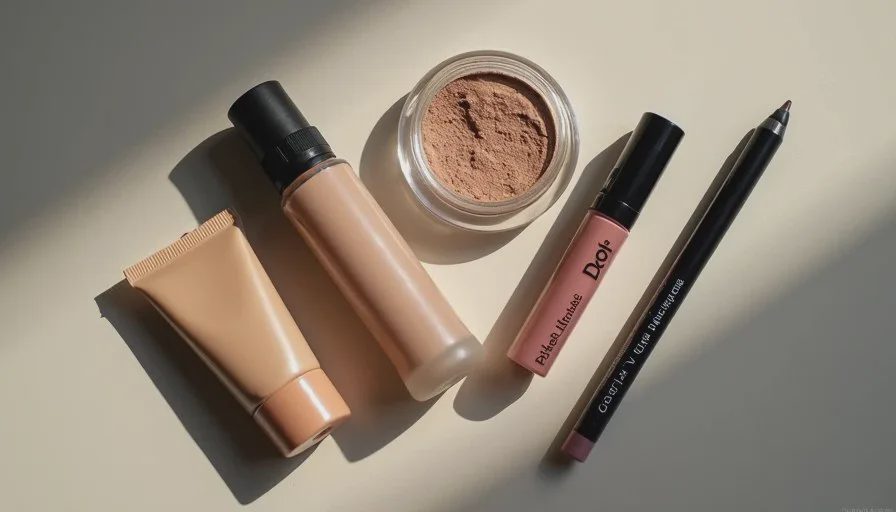
Looking back, I wish I had spent less time on the dramatic transformation and more time on how a product would behave after three or four hours at a desk. Store lighting is designed to make everything look its best. Office lighting is not.
I also wish I had pushed back more gently when someone reached for the most expensive option simply because it was the most expensive. Price can reflect better ingredients or more refined textures. It can also reflect marketing and packaging. The only way to know is to wear the product in the conditions you actually live in.
How I Decide What to Recommend Now
My filter is simpler than it used to be.
I ask whether the product earns its place in a short morning routine.
I ask whether it still looks like skin or like a real mouth or real lashes by late afternoon.
I ask whether the price difference buys better performance or just a nicer box.
If the answer is unclear, I would rather someone try a smaller size or a drugstore alternative first.
A Note on Changing Formulas
One practical reality of beauty products is that formulas change. A product I liked five years ago may have been reformulated. A product I was neutral about may have improved. That is why I treat past experience as useful context rather than permanent judgment. When I recommend something now, I am speaking about the version I have used recently and about the way it behaves under ordinary workday conditions.
Final Thoughts from the Counter
The best products I ever sold were not always the ones that created the biggest reaction in the mirror. They were the ones women came back for because they made weekday mornings easier and still looked presentable at the end of the day.
That standard has not changed for me. Whether a product costs twelve dollars or forty-eight, the question remains the same: does it help a real face get through a real workday without demanding constant attention? If the answer is yes, I am comfortable recommending it. If the answer is only under perfect lighting, I would rather say so.
No comments yet — be the first to share a thought.